
Introduction
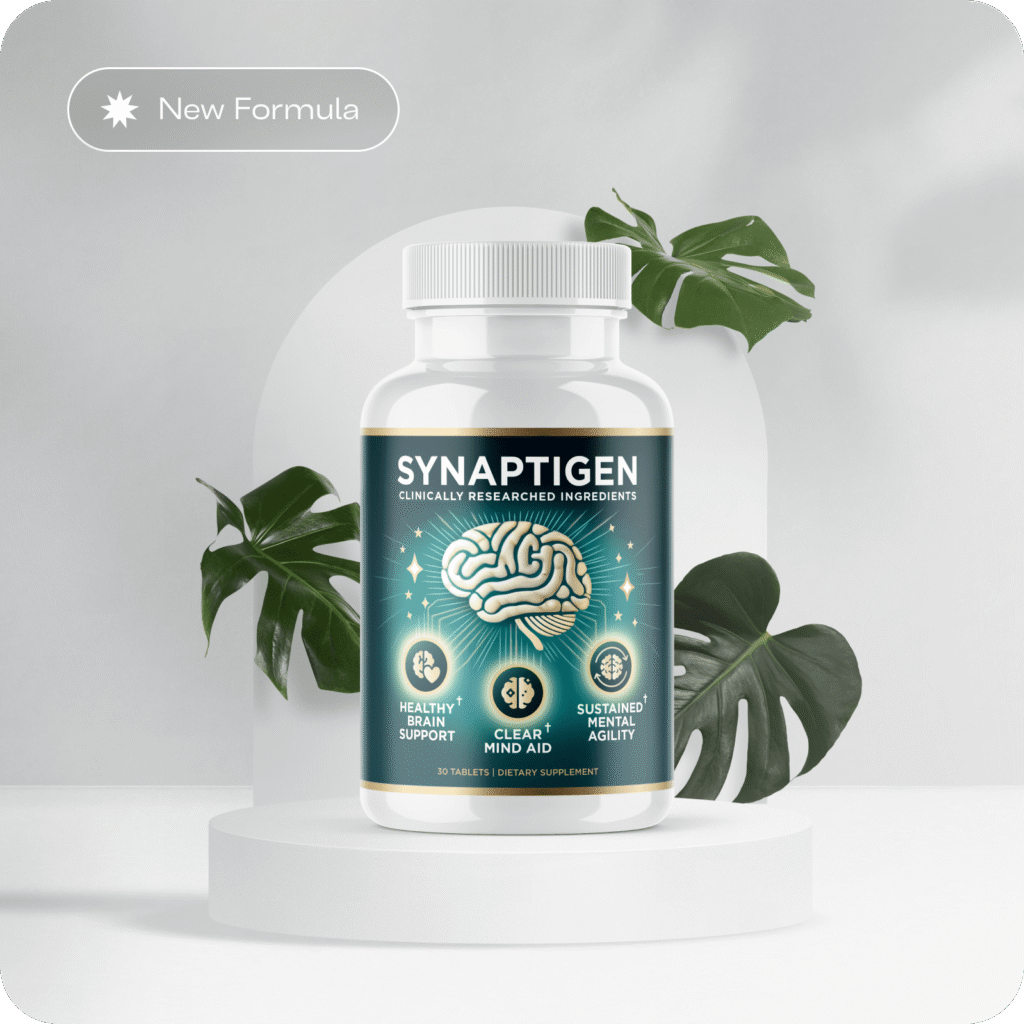
As interest in brain health supplements continues to rise, many people are turning to advanced formulas that claim to support memory, focus, and long-term cognitive performance. Synaptigen has quickly become one of the most talked-about supplements in this space. Marketed as a cutting-edge brain health formula, Synaptigen is designed to promote sharper thinking, mental clarity, and improved neuronal communication by addressing sugar buildup in brain cells.
But with any new supplement, one critical question remains: What are the potential side effects?
This comprehensive guide explores everything you need to know about Synaptigen side effects, ingredient safety, clinical backing, and what users can realistically expect. By the end, you’ll have a clear understanding of whether Synaptigen is safe for you and how it compares to other cognitive support products.
What is Synaptigen?
Synaptigen is a neuro-nutrition supplement formulated with probiotics, prebiotics, minerals, and plant extracts. Unlike many brain boosters that rely heavily on stimulants like caffeine, Synaptigen takes a gut-brain axis approach. Its blend is carefully chosen to support:
- Neuronal communication by reducing sugar buildup around brain cells
- Long-term brain health through gut microbiome balance
- Cognitive clarity and memory retention via natural nutrients
The formula is built around a mix of beneficial bacteria, prebiotic fibers, and plant compounds, offering a holistic method of enhancing brain function.
Synaptigen Ingredients and Their Roles
To understand possible side effects, it’s important to analyze the individual ingredients in Synaptigen.
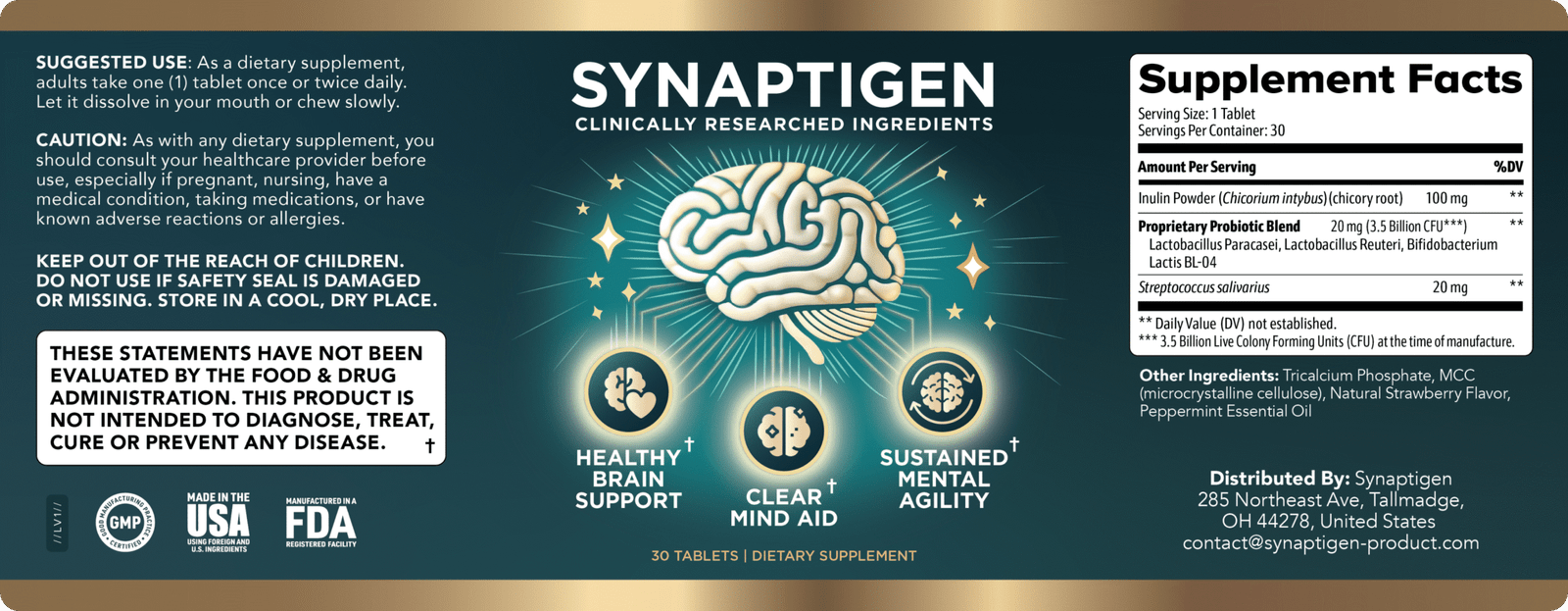
1. Lactobacillus Paracasei
A probiotic strain widely studied for digestive health and immune function. Research suggests it may also influence mood and cognitive performance through gut-brain signaling .
- Potential Side Effects: Generally safe, but some people may experience mild gas or bloating when first introduced.
2. Lactobacillus Reuteri
Another probiotic known for its anti-inflammatory effects and its role in producing neurotransmitter precursors. Some studies indicate cognitive benefits due to improved gut health .
- Potential Side Effects: Rare, but can include temporary digestive upset.
3. Bifidobacterium Lactis BL-04
A well-documented probiotic strain shown to support immunity, digestion, and potentially mood balance .
- Potential Side Effects: Very well-tolerated; occasional mild digestive discomfort is possible during adaptation.
4. Inulin
A prebiotic fiber that feeds healthy gut bacteria. Inulin has been linked to better digestion and improved mineral absorption .
- Potential Side Effects: High amounts may cause bloating, gas, or mild cramping in sensitive individuals.
5. Tricalcium Phosphate
A mineral compound that supports bone health and may help stabilize the formula.
- Potential Side Effects: Safe at recommended doses; excessive intake may lead to constipation or calcium imbalance.
6. Strawberry Extract
Rich in antioxidants and polyphenols, strawberry extract supports blood flow, reduces oxidative stress, and may enhance cognitive performance .
- Potential Side Effects: Rare, but those with strawberry allergies should avoid it.
7. Peppermint Extract
Known for its refreshing properties and cognitive benefits, peppermint extract can promote alertness and reduce fatigue .
- Potential Side Effects: Large doses may cause heartburn or mild gastrointestinal irritation.
Synaptigen Side Effects: What Users Should Know
Overall, Synaptigen is considered safe when taken as directed, thanks to its natural and research-backed ingredients. However, like any supplement, there are potential side effects worth noting:
1. Digestive Discomfort
Because Synaptigen contains probiotics and prebiotic fibers, some users may initially experience:
- Gas
- Bloating
- Mild stomach cramps
These symptoms typically subside within a few days as the gut microbiome adjusts.
2. Allergic Reactions
Though rare, individuals allergic to strawberries, peppermint, or probiotics may notice:
- Skin rashes
- Itching
- Mild swelling
Anyone with known food allergies should review the ingredient list carefully.
3. Overconsumption Risks
Exceeding the recommended dose may increase the likelihood of:
- Constipation (from excess calcium)
- Prolonged digestive upset (from too much inulin or probiotics)
4. Medication Interactions
Certain groups should consult a healthcare provider before use:
- People on immune-suppressing medications (due to probiotics)
- Those with severe gastrointestinal conditions
- Individuals with calcium-restricted diets
Who Should Avoid Synaptigen?
While most healthy adults can safely use Synaptigen, the following groups may want to avoid or use caution:
- Children under 18 (safety not fully studied)
- Pregnant or breastfeeding women (insufficient clinical trials)
- Individuals with compromised immune systems
- People with severe allergies to strawberries or peppermint
Benefits vs. Side Effects: Is Synaptigen Worth It?
When weighing benefits against risks, Synaptigen appears to offer far more positives than negatives.
Potential Benefits:
- Improved memory and focus
- Enhanced gut-brain connection
- Reduced oxidative stress on brain cells
- Long-term cognitive resilience
Possible Side Effects:
- Temporary digestive changes
- Rare allergic reactions
- Mild gastrointestinal irritation if overdosed
In comparison to stimulant-based brain supplements, Synaptigen has a cleaner safety profile with fewer risks of jitteriness, dependency, or sleep disruption.
How to Minimize Side Effects
- Start with a Low Dose
Allow your gut microbiome time to adapt to new probiotics. - Stay Hydrated
This helps reduce fiber-related bloating from inulin. - Take with Food
Pairing Synaptigen with meals can reduce digestive irritation. - Monitor for Allergic Reactions
If you notice skin irritation, swelling, or unusual symptoms, discontinue use and seek medical advice.
Real-World User Experiences
Early user reviews suggest that side effects are minimal and short-lived, with most reporting positive experiences such as better focus and energy. Some noted slight bloating in the first few days, which subsided with continued use.
Unlike many brain supplements, Synaptigen’s formula avoids harsh stimulants, which reduces risks of insomnia, jitteriness, or dependency—common complaints in other products.
Synaptigen vs. Other Cognitive Supplements
Compared to competitors, Synaptigen stands out for its probiotic-focused formula. Many nootropics rely heavily on synthetic compounds or high doses of caffeine, which can cause significant side effects.
- Caffeine-heavy nootropics: Risk of jitters, anxiety, and insomnia
- Racetams and synthetic compounds: Limited safety research and potential neurological side effects
- Synaptigen: Natural ingredients with a focus on gut-brain health, showing a favorable safety profile
Final Verdict on Synaptigen Side Effects
Synaptigen appears to be a safe, effective, and innovative option for those seeking to support brain health naturally. Most users can expect only minor, temporary digestive side effects during the adjustment period.
As with any supplement, it’s best to:
- Consult a healthcare professional before starting, especially if you have pre-existing conditions
- Follow dosage guidelines strictly
- Monitor how your body responds in the first two weeks
With its unique combination of probiotics, prebiotics, and plant-based extracts, Synaptigen provides a promising path toward long-term mental clarity—without the harsh side effects often associated with synthetic nootropics.
References
- Sanders, M.E., et al. “Probiotics and gut-brain axis: Impacts on cognition and mood.” Nutrients. 2019.
- Mu, Q., et al. “Lactobacillus reuteri and its role in health and disease.” Frontiers in Microbiology. 2018.
- West, N.P., et al. “Probiotics and immune health: Clinical evidence for Bifidobacterium Lactis BL-04.” Journal of Nutrition. 2014.
- Kolida, S., et al. “Inulin and prebiotic effects on gut microbiota.” British Journal of Nutrition. 2007.
- Giampieri, F., et al. “The neuroprotective potential of strawberry polyphenols.” Food Chemistry. 2012.
- Moss, M., et al. “Aromas of peppermint and cognitive performance.” International Journal of Neuroscience. 2008.
Pingback: AquaBurn Side Effects: What You Need to Know First! - Scam Alert